Posts Tagged ‘video wall’

What’s Best For My Control Room: Video Walls or Walls of Video?

Thursday, May 27th, 2010

By David Jones, Sales Manager Control Room Group

Maybe it’s just me, but it seems like everyone dreams of having a “video wall” in their control center. Video walls are great, but they’re not necessarily the correct control room display for everyone.

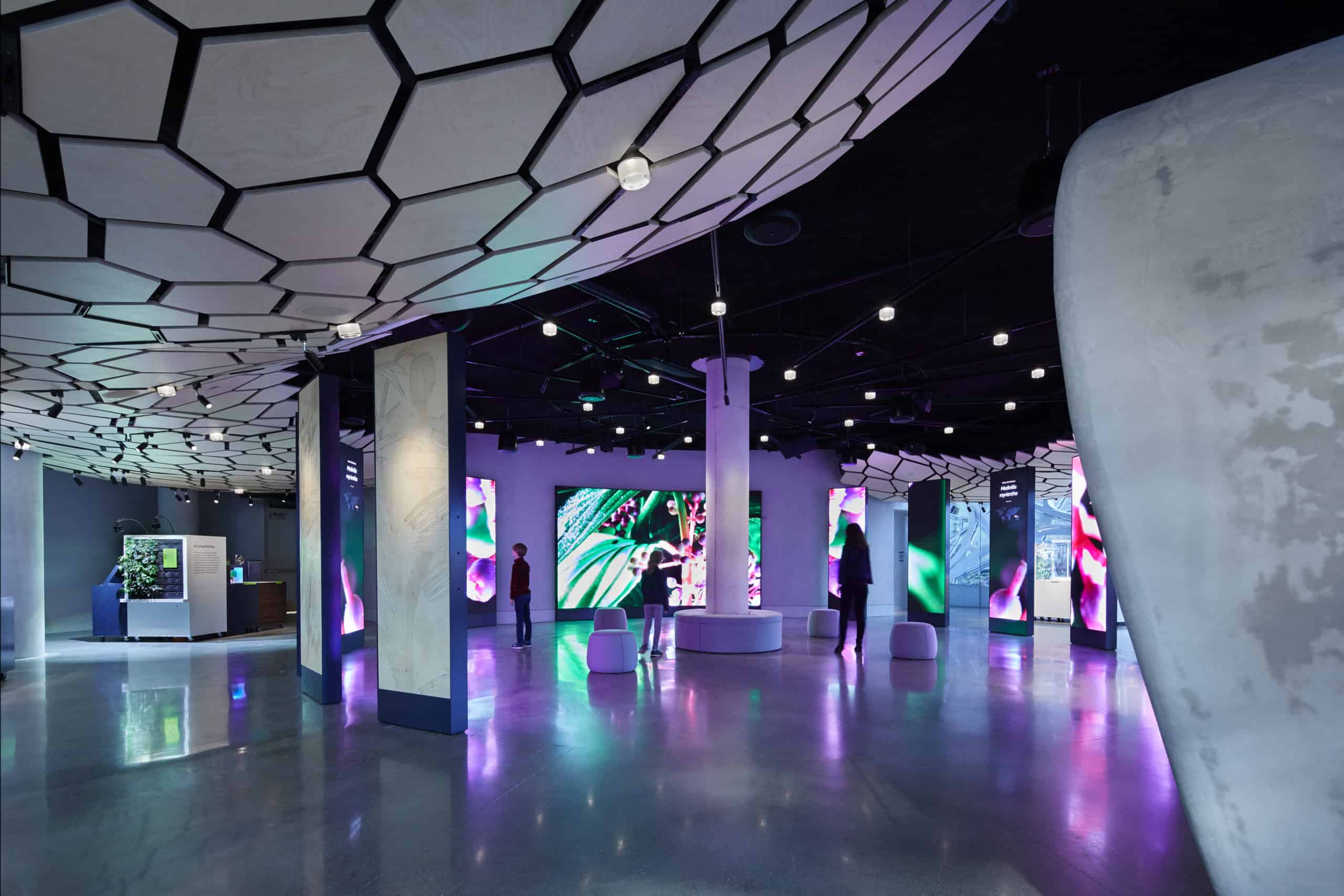
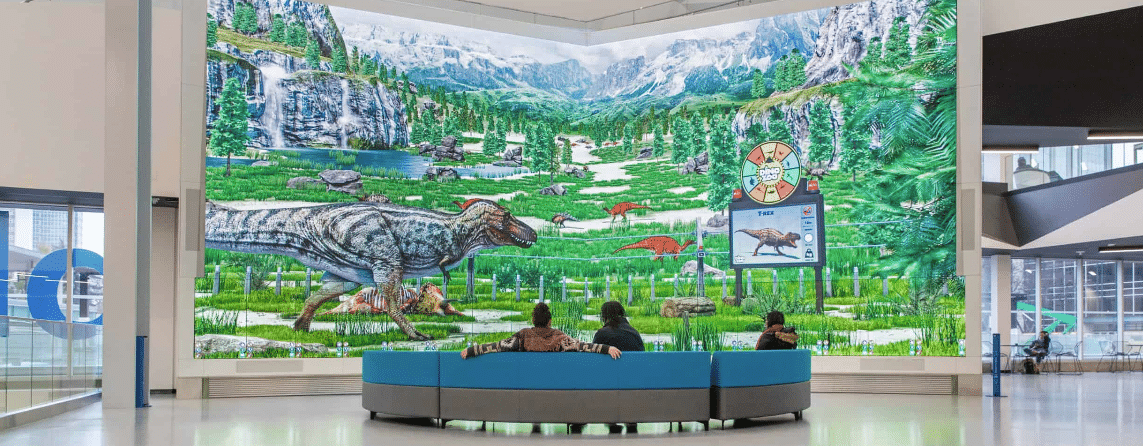
A Video Wall

One of the first tasks of our sales team is to determine whether the client needs a “video wall” or a “wall of video.”

Although both are powerful tools and have a potential place in the control center, there are big differences between the two. Most customers have never had those differences explained to them. This leads to mistakes in the system design. The client ends up spending money (not “investing”) on unnecessary technology that will never be used properly.

A video wall is made up of a video processor and an array of video displays, (typically video cubes or narrow bezel LCD panels.) The video processor addresses the entire video array just like a CPU addresses a monitor. Users can run multiple applications on the display and open other windows as needed.

A Wall of Video

This setup would come in handy at an energy management center, for example. If there is an outage, it can be managed on a portion of the video wall, without sacrificing the rest of the display.

A wall of video is also composed of an array of video displays; however each display shows the signal from one of multiple inputs. A video matrix switch routes the appropriate input to its corresponding display.

In our illustration of a power outage above, one of the inputs would have to be removed for the energy management center to address the situation on a wall of video.

A wall of video is more appropriate for a security center, for example. Each display would show the signal from one of multiple cameras. If one camera fails, the remaining displays would remain functional.

As we said earlier, both the video wall and wall of video are powerful tools, but each addresses unique control room needs. Many of our clients come to us asking for a video wall when in fact a wall of video fits their requirements best.

If you’d like to learn more about the difference between a video wall and a wall of video, and learn more about how they can benefit you in the control room, please email me at david.jones@avispl.com. I’ll give you all the details.

Learn more about the Control Room Group


AVI-SPL’s NYC Hall Situation Room Featured on CBS Evening News

Tuesday, May 4th, 2010

In coverage of the recent bomb threat to New York City, anchor Katie Couric interviews Mayor Bloomberg in the high-tech Situation Room. AVI-SPL’s critical control room solution highlights advanced videoconferencing technology, an innovative 1 x 2 video wall, 46″ LCD displays and highly-secure communications for rapid decision making.

From more details on the Situation Room’s technology, including the Crestron programming and IP-based systems, click here.


NEC Display Solutions introduces the groundbreaking 46″ NEC MultiSync® X461UN ultra-narrow display.

Thursday, February 19th, 2009

NEC MultiSync® X461UN
NEC Display Solutions introduces the groundbreaking 46” NEC MultiSync® X461UN ultra-narrow display. The large-format LCD display is intended for video wall solutions, where its impressive ultra-narrow bezel allows for a screen-to-screen distance between two neighboring MultiSync X461UN displays of only 7.3 millimeters. This is a near 500% improvement from NEC’s previously revolutionary 34mm MultiSync 20 Series displays and close to a 1400% improvement compared to the 100mm MultiSync 15 Series.

The display, which is ideal for digital signage and broadcast applications, can be deployed in video wall matrices of up to 10 x 10 (100 displays), creating a total surface area of approximately 645 square feet. The barely discernable transition gap between displays ensures a homogenous picture across the matrix, creating a near-seamless video wall.

The MultiSync X461UN includes a professional-grade LCD panel and components for the most formidable digital signage industry requirements. It has been specifically created for rigorous 24/7 use where high reliability is key. The display’s 1360 x 768 WXGA native resolution provides true 16:9 aspect ratio, maximum brightness of 700 cd/m² and typical contrast ratio of 3000:1.